November 10, 2026
Why Fast Action Matters with Termite Control Services
By @jaidenupea581
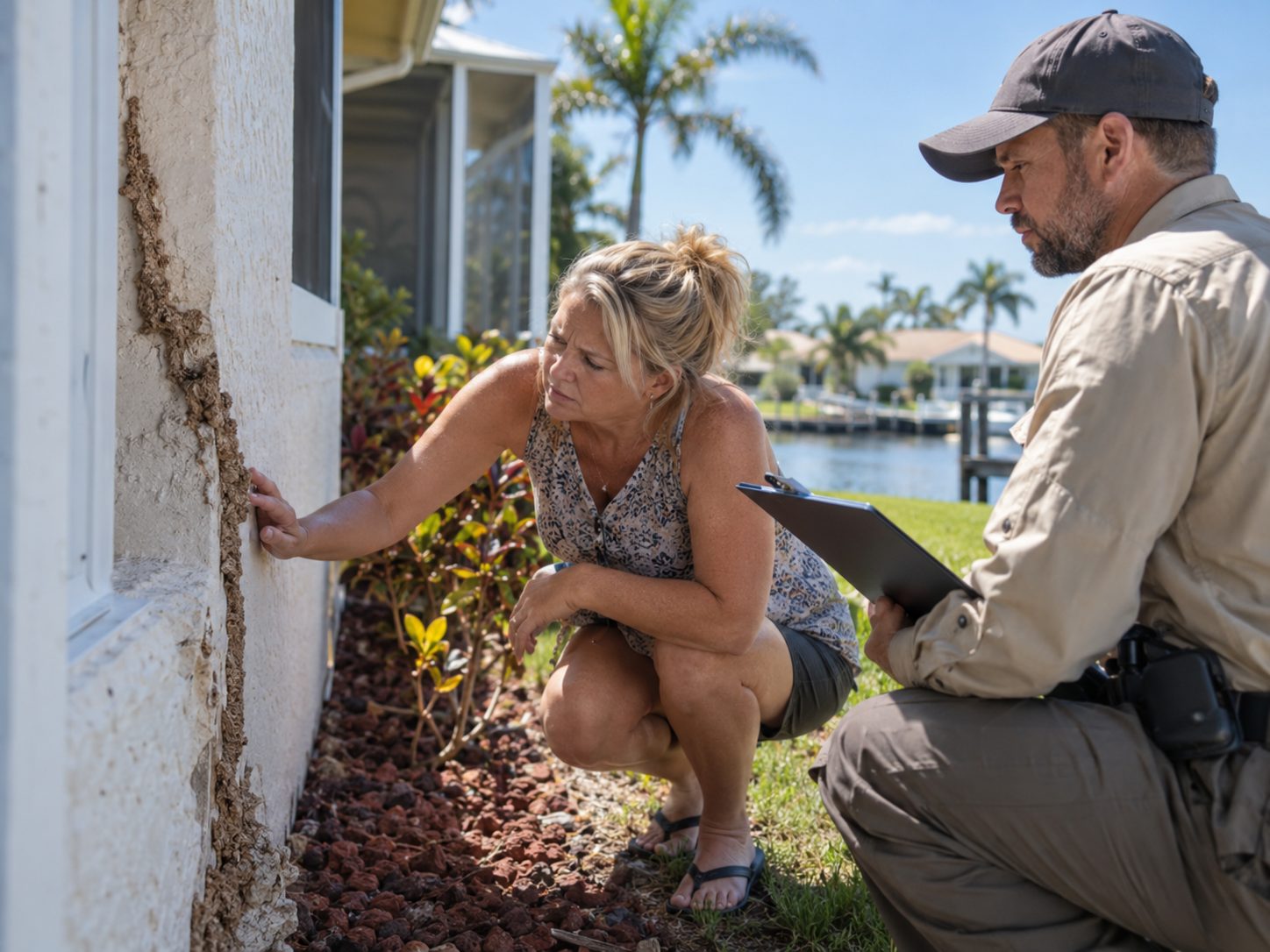
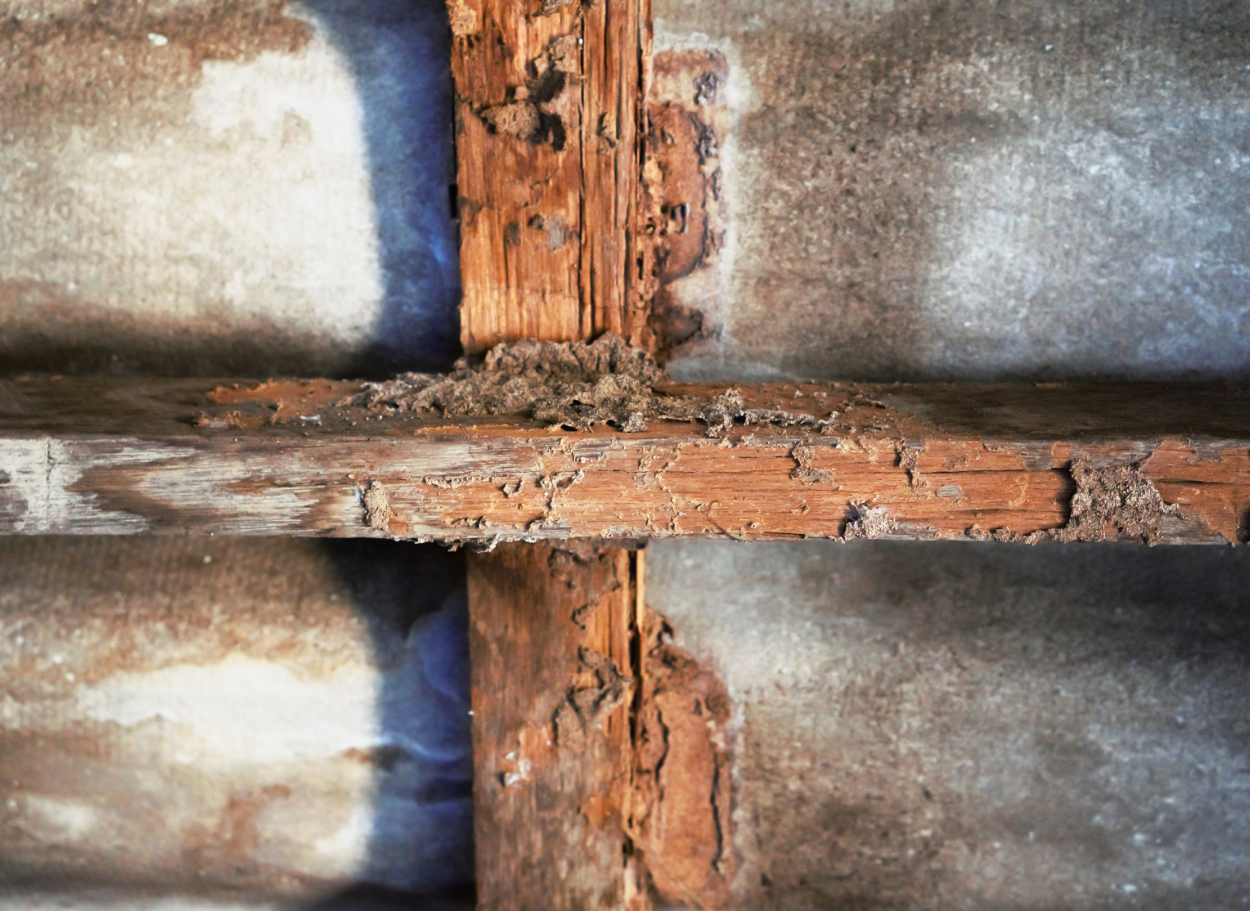
Termites rarely announce themselves when the damage is still small. That is part of what makes them expensive. By the time a homeowner notices blistered paint, a hollow-sounding baseboard, or a door frame that suddenly feels soft under a fingernail, the colony has usually been active for quite a while. In practical terms, delay changes the entire job. What might have been a localized treatment and a modest repair can turn into structural replacement, invasive wall opening, and months of follow-up monitoring.
That is why speed matters so much with Termite Control Services. Fast action is not about panic. It is about understanding how termite colonies behave, how quickly they can expand their feeding area, and how property damage compounds when the response gets pushed to next week, then next month, then the next season.
Homeowners often hesitate for understandable reasons. They hope the signs are minor. They want a second opinion. They may worry about treatment cost and assume waiting will buy time. In the field, though, waiting usually does the opposite. It gives termites more time, more wood, and more pathways into places that are harder to inspect and more expensive to repair.
The real problem is what you cannot see
One of the biggest challenges with termites is that the visible evidence is often only a fraction of the actual activity. Subterranean termites, the type many pest professionals see most often, work from the soil up through mud tubes, cracks in slab edges, expansion joints, and utility penetrations. They stay hidden because they need moisture and protection from open air. That means they can feed behind drywall, beneath flooring, inside sill plates, and along structural members without drawing much attention.
A homeowner may spot a small patch of damaged trim and assume the issue is cosmetic. In reality, that trim can be the tip of a much larger feeding pattern extending into studs, headers, or support framing. Drywood termites create a different pattern, but the same principle applies. By the time frass appears on a windowsill or swarmers show up near a light source, the colony has already established itself inside the wood.
This hidden nature is exactly why prompt inspection matters. A trained technician is not just looking at the damaged spot. They are reading the conditions around it. Moisture sources, construction type, grade contact, crawlspace ventilation, drainage, landscaping, and previous repair history all help determine whether the termites are isolated or part of a broader infestation.
What fast action changes financially
There is a practical threshold in termite work. Before that threshold, treatment is often straightforward. After it, the cost curve bends sharply upward.
A small, early-stage problem may involve targeted treatment, a baiting strategy, localized wood repair, and routine monitoring. A delayed problem may require opening walls, replacing framing, shoring up compromised areas, coordinating with contractors, and addressing moisture conditions that have worsened while the infestation spread.
The labor is not the only issue. There is also the disruption. Once termites reach key structural components, repairs become more intrusive. Flooring may need to be removed. Cabinetry may have to come out. Exterior siding can be affected. In some homes, especially older properties with additions or poor drainage history, termite damage is layered on top of previous hidden deterioration. That is where repair bills become unpredictable.
I have seen owners postpone an inspection because they noticed only a few winged insects near a Termite Control Services window in spring. They vacuumed them up, assumed they had flown in from outside, and moved on. Several months later, after rains raised moisture levels around the foundation, a fuller inspection revealed active tubes in a garage wall and damaged framing near a utility room. The difference between an early response and a delayed one was not subtle. What could have been a contained treatment became a combined pest-control and carpentry project.
Swarmers are not a small detail
When termites swarm, people often focus on the insects themselves. The better question is what the swarm represents. Swarmers are reproductive termites leaving an established colony to start new ones. Seeing them indoors is not proof of catastrophic damage, but it is a strong enough warning that a professional inspection should move to the top of the list.
A spring swarm in a bathroom, kitchen, or near patio doors can indicate termite activity in or around the structure. Sometimes the colony is inside the house. Sometimes it is in an attached feature, such as a porch, expansion joint, or nearby wood member with direct soil contact. Either way, fast action matters because swarm season can coincide with broader colony expansion. If a property already has conducive conditions, such as chronic moisture, mulch piled too high, or hidden wood-to-ground contact, swarmers may be the first obvious sign of a problem that has existed for a long time.
Homeowners often confuse termite swarmers with flying ants, and the distinction matters. A good pest professional will sort that out quickly, but waiting because of uncertainty is risky. It is far better to have a false alarm inspected than to give an active colony more time.
The structural stakes are higher than many people realize
Not every Termite Control Services termite issue threatens a building overnight. This is not a movie scene where a staircase collapses the next morning. But repeated feeding weakens wood in ways that matter. Termites consume cellulose and leave behind galleries that reduce the load-bearing capacity of the member over time. In severe cases, wood may look intact on the surface while the interior has been heavily hollowed.
That is why inspectors press suspicious wood, sound it out, and check for distortion. Floors that feel spongy, trim that breaks apart too easily, and door casings that no longer hold nails well all tell a story. The more time termites have, the more likely they are to spread from non-structural wood to structural wood, or from one moisture-prone zone to another.
In crawlspaces, for example, a delayed response can mean damage progresses from a sill plate into joists or subfloor sections. Around window assemblies, recurring leaks can draw termite activity into framing that also happens to be vulnerable to rot. Those combined conditions can complicate diagnosis because some of the damage is insect-related and some is moisture-related. Good Termite Control Services account for both, but the later the intervention, the more complex the repair picture becomes.
Treatment works best when access and conditions are still manageable
People sometimes assume termite treatment is a single event. In reality, effective control depends on timing, access, and conditions on site. Fast action improves all three.
When technicians can reach the activity early, they can often identify entry points, map the infestation more accurately, and choose methods that fit the structure before damage obscures the original path of movement. Soil treatments, bait systems, wood treatments, void applications, and moisture correction all play different roles depending on the species and construction details.
Delays create obstacles. Landscaping may overgrow access points. Seasonal moisture may spread activity. Repairs done without knowing the infestation pattern can cover evidence or trap active termites deeper in inaccessible spaces. In some cases, owners patch over damaged trim or repaint bubbling surfaces before anyone evaluates the cause. That can make the eventual inspection less clear and the treatment plan less efficient.
Fast action also helps preserve choice. Early infestations may allow for a wider range of treatment options. Later infestations often narrow those options because the colony is better established or the structure has conditions that demand a more aggressive approach.
Why moisture problems make delay even more dangerous
Termites and moisture issues often travel together. Leaking hose bibs, poor gutter drainage, clogged downspouts, condensation around HVAC lines, and grading that directs water toward the foundation all create favorable conditions. If those conditions stay in place, termite risk rises and treatment may be undermined unless the underlying issue is corrected.
This is one reason a quick response from Termite Control Services should not stop at killing termites. The best professionals also explain why the infestation took hold. A wet crawlspace with cellulose debris, a flower bed bridging the weep screed, or mulch stacked against siding can all support ongoing vulnerability.
In homes with slab foundations, concealed moisture near bathrooms, kitchens, or utility rooms is especially worth attention. Small plumbing leaks inside walls or under cabinets can remain unnoticed for long periods. If termite activity is found nearby, the pest issue may be the event that finally exposes a deeper maintenance problem. Acting early can prevent a double repair cycle, first for termites, then for moisture damage that worsened while no one was looking.
Warning signs that should never wait
Certain signals deserve immediate attention because they often mean the infestation is already established:
- Mud tubes along foundation walls, piers, or interior surfaces
- Winged termites indoors, especially in repeated numbers
- Wood that sounds hollow or breaks apart with light pressure
- Frass pellets near trim, windows, or attic wood
- Bubbling paint or distorted surfaces with no obvious water source
Even here, there is room for judgment. A single damaged board on an old fence is not the same as active mud tubes entering a living room wall. A seasoned inspector separates incidental exterior damage from a threat to the house itself. Still, if the signs involve the structure, quick scheduling is the safer move every time.
Delays affect resale, insurance conversations, and negotiations
Termite problems rarely stay private to the current owner. They tend to surface during refinancing, home sales, renovation planning, or contractor work. Once they do, the cost of having waited is not just repair cost. It becomes a documentation and negotiation issue.
Many buyers get nervous when termite history appears late in the process, especially if there is visible damage and no clear record of treatment. Sellers who addressed the problem promptly usually have a stronger position. They can provide inspection reports, treatment records, warranty details where applicable, and receipts for repairs. Sellers who postponed action often face harder questions. Is the infestation active? How far did it spread? Were repairs cosmetic or structural? Is there hidden damage that still needs evaluation?
Insurance adds another layer. Standard homeowners policies often do not cover termite damage because it is considered preventable maintenance rather than sudden accidental loss. That makes early intervention even more important. The longer the delay, the more likely the owner bears the full cost.
Fast action protects more than the main structure
When people think about termites, they usually picture wall studs and floor joists. But delayed treatment can affect a wider set of assets. Built-in cabinetry, hardwood flooring, decorative trim, garage framing, porches, decks, pergolas, fence connections, and storage structures may all be vulnerable depending on the species and site conditions.
This matters because secondary damage adds up quickly. Replacing custom trim or matching older flooring can be more difficult than treating the termites themselves. Exterior features with direct soil contact, such as wood steps or planter borders, can also act as bridges that help termites move toward the home. Addressing the infestation promptly gives pest professionals a chance to interrupt those pathways before they create a larger ring of damage around the property.
What a good rapid response actually looks like
Fast action does not mean hiring the first company that answers the phone and approving the first treatment without questions. It means moving quickly and intelligently. A sound response usually includes a timely inspection, a clear explanation of findings, a treatment plan tied to the termite species and construction type, and practical guidance on repairs and prevention.
The most useful early questions are simple. Where is the activity? Is it active now, or evidence of older damage? What treatment is recommended and why? Are there moisture or access issues that need correction? How should repairs be timed relative to treatment? Those questions lead to better decisions than focusing only on price.
A lower bid can look attractive until you realize it excludes monitoring, ignores moisture conditions, or treats only the visible area. On the other hand, the most expensive proposal is not automatically the most thorough. Speed matters, but so does diagnosis. The right provider should be able to explain the trade-offs without using scare tactics.
Prevention is easier once the urgent problem is handled
After treatment, many homeowners want to know how to reduce the chance of a repeat problem. That is the right moment to tighten up risk factors. While no property can be made termite-proof in an absolute sense, many can be made much less inviting.
A few of the highest-value preventive measures are straightforward:
- Keep wood and cellulose debris away from the foundation and crawlspace
- Correct drainage issues and repair leaks promptly
- Maintain clearance between soil, mulch, and siding or trim
- Schedule periodic professional inspections, especially in high-risk regions
- Address exterior wood decay before it creates attractive entry points
The reason these steps matter is simple. Termites respond to opportunity. Moisture, hidden access, and untreated wood near soil create that opportunity. Preventive work is far less disruptive than structural repair, and it pairs best with early detection rather than late-stage recovery.
Regional risk and building type both shape urgency
Not all homes face the same termite pressure. Climate, soil, construction method, and maintenance history all influence the speed of response that makes sense. In warm, humid regions where subterranean termites are common, urgency should be high even if signs seem modest. In drier climates, drywood termites may be more relevant, and the inspection approach changes accordingly.
Building type also matters. Homes with crawlspaces often offer more visible clues during inspection, but they can also hide chronic moisture conditions that support long-term activity. Slab homes may have fewer easy inspection points and more concealed entry routes through cracks and penetrations. Older homes with multiple remodels can be especially tricky because additions sometimes create hidden construction transitions that termites exploit.
Experienced Termite Control Services account for those differences rather than offering a generic script. That expertise becomes more valuable when action is taken early, before the infestation spreads beyond the original zone.
The cost of waiting is usually paid in repair, not treatment
Many homeowners hesitate because they fear the treatment bill. The irony is that treatment is often the smaller part of the total cost when action is delayed. The large expense tends to be reconstruction, finish work, temporary inconvenience, and the discovery of secondary issues that flourished alongside the termites.
That is the practical heart of the matter. Fast action preserves options, limits damage, protects documentation, and reduces uncertainty. It gives pest professionals a better chance to solve the problem while it is still manageable and gives owners a better chance to avoid the cascading costs that come with hidden structural damage.
When termite evidence appears, the smartest response is not alarm. It is prompt, informed movement. Schedule the inspection, confirm the species, understand the conditions that allowed the infestation, and address it before the hidden problem becomes an obvious one. That is where speed pays off, not as a slogan, but as a measurable difference in repair scope, property value, and peace of mind.
Maximum Pest Control
836 NE 7th Terrace Suite #5
Cape Coral, FL 33909
+1 239-772-7363
FAQ About Termite Control Services
What are two signs of a termite infestation?
Mud tubes along a foundation and piles of shed wings near doors or windows are two signs to investigate. Mud tubes are associated with subterranean termites. A licensed inspector can identify the insect and assess whether there is active infestation.
How many years does a termite treatment last?
There is no single timeline for all treatments. The method, site conditions, and maintenance affect how long protection lasts. Bait systems rely on monitoring and service. Ask the provider for the recommended inspection schedule and the terms of any coverage.
Is Termite Treatment Expensive in Cape Coral?
Cost depends on the termite species, the size and construction of the property, the extent of activity, and the treatment method. Request a written estimate after inspection and ask whether monitoring, follow-up visits, and renewals are included.
❧