November 10, 2026
How Termite Control Services Help Preserve Historic Homes
By @jaidenupea581
Historic homes ask more of their owners than ordinary houses do. They creak, settle, absorb moisture, and carry generations of repairs, some thoughtful and some disastrous. Their framing may be old-growth lumber that no modern lumberyard can match. Their trim may have been milled by hand. Their floor plans often reflect another century’s way of living, which means hidden voids, odd crawlspaces, and structural quirks that do not appear on modern plans. All of that makes them beautiful. It also makes them vulnerable.
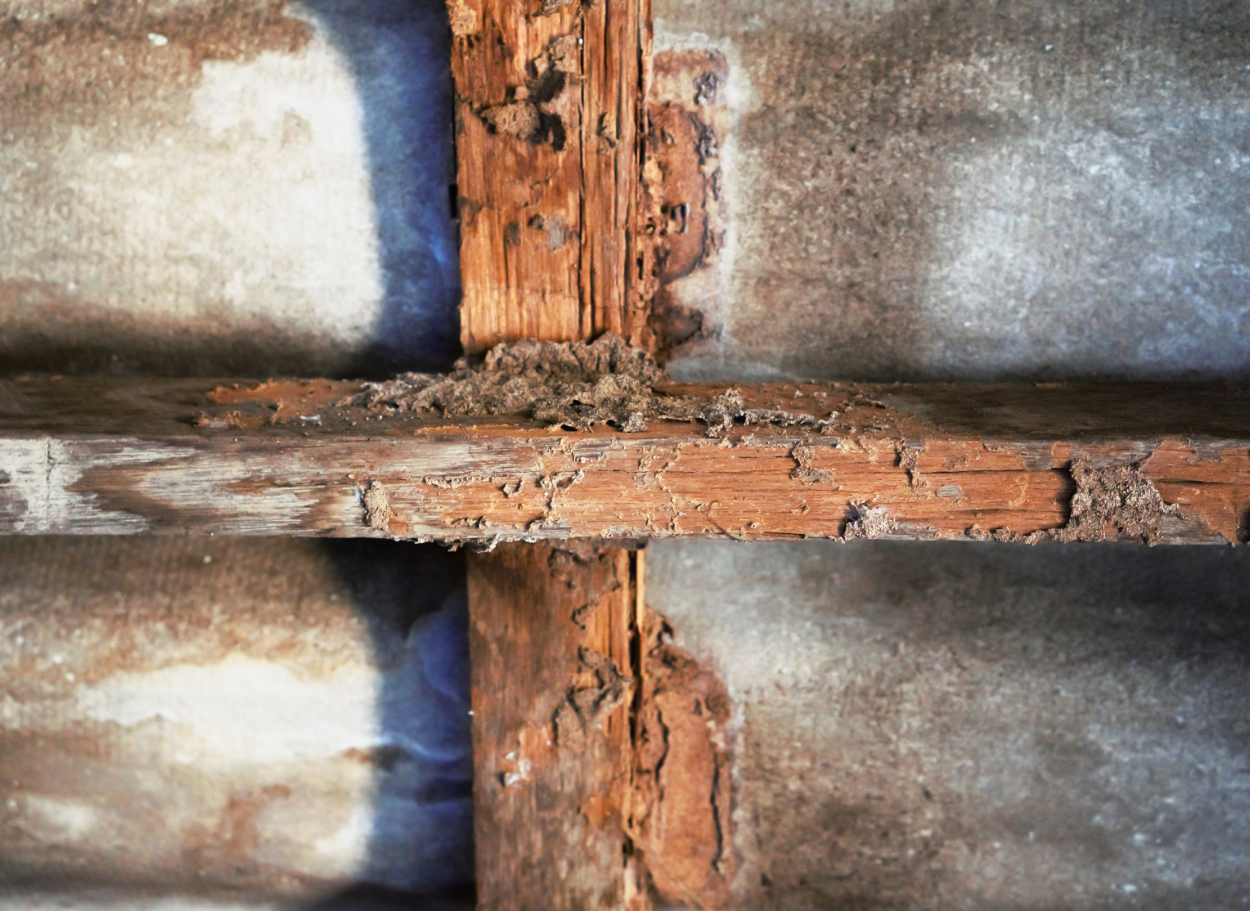
Among the quietest threats to a historic home, termites rank near the top. They do not announce themselves with a dramatic leak or a broken window. They work out of sight, often for years, especially in houses where thick plaster walls, layered finishes, enclosed porches, and old repairs conceal what is happening inside. By the time a homeowner notices a soft sill, blistered paint, or a door frame that no longer feels solid, the damage can be extensive.
That is where experienced Termite Control Services become less of a convenience and more of a preservation tool. In a historic property, the goal is not simply to kill an insect colony. The real goal is to protect original material, limit invasive repairs, and keep the building sound without compromising the character that makes it worth preserving in the first place.
Historic homes are built differently, and termites exploit those differences
A termite problem in a new suburban house is serious. In a house built in 1890, 1915, or 1932, it can become a preservation issue very quickly. Older homes often contain a mix of wood species, masonry foundations, pier-and-beam systems, and additions built across decades. That patchwork creates hidden routes for termites.
I have seen termites travel behind plaster walls and emerge at the second-floor window trim, far from the actual point of entry. In another case, a colonial-era house had a stone foundation that had been repointed with hard cement decades earlier. Moisture became trapped in the adjacent wood sill, and termites found exactly what they needed: damp, sheltered timber with very little disturbance. The homeowners first noticed trouble when a baseboard crumbled during a repainting project. The colony had likely been active for much longer.
Historic homes also have more places where wood meets soil or stays damp. Porch posts may have been buried or patched over time. Crawlspaces may lack modern vapor barriers. Landscaping often rises gradually against old foundations. Gutters overflow. Window glazing fails, allowing small but persistent moisture intrusion around sashes and casings. Termites thrive in these conditions, and they are patient.
The challenge is that old houses can hide damage well. Dense heartwood may remain intact on the surface while the interior is hollowed out. Decorative trim can mask failing framing. Original flooring can bridge over compromised joists long enough that the problem escapes notice. A routine pest treatment mindset is not enough here. Preservation-minded termite work requires a deeper reading of the building.
Preservation begins with knowing what must be saved
Not every piece of wood in a historic home carries the same importance. A modern shed addition in the rear may be replaceable with little consequence. An original hand-planed beam, a carved newel post, or nineteenth-century window casing is another matter entirely. Good Termite Control Services recognize this distinction before treatment starts.
That usually begins with a careful inspection, but “careful” means more than checking a few accessible corners. In an older home, inspection should account for construction history. Has the house been raised? Was the porch enclosed? Is the crawlspace accessible across the full footprint, or only under part of the structure? Are there signs of previous infestations, old treatment holes, patched sills, or reused timbers? Was a kitchen or bath addition built over what used to be an exterior wall? These details matter because termites often follow changes in moisture and construction.
A preservation-focused technician will also avoid assumptions. Powdery debris is not always fresh activity. Damaged wood is not always termite damage. Historic houses can show beetle activity, fungal decay, carpenter ant tunneling, settlement cracking, and old rot repairs that complicate diagnosis. Misreading the evidence can lead to the wrong treatment or needless removal of historic material.
One of the most valuable outcomes of a professional termite inspection is not the treatment itself, but the map it creates. When done well, it identifies where active termites are, where conditions favor infestation, what materials are at risk, and which areas should be opened only if absolutely necessary. That map helps owners make decisions that balance pest control, budget, and preservation.
Why termite damage is especially costly in older structures
Repairing termite damage in a contemporary house usually means replacing damaged wood with equivalent stock and restoring finishes. In a historic house, the equation changes. The visible damage may be only a small part of the cost. Matching old profiles, salvaging original trim, stabilizing adjacent plaster, and preserving structural integrity without over-replacing can drive up time and expense quickly.
Take a sill beam beneath an original exterior wall. In a newer home, full replacement may be straightforward. In a historic home, lifting the structure can crack plaster, disturb chimneys, distort old windows, and loosen finishes that have remained stable for decades. Sometimes replacement is necessary, but many preservation contractors prefer selective splicing, dutchman repairs, or sistering where appropriate, precisely because every intervention carries risk.
Termites also tend to attack areas that are expensive to repair in period houses. Porches are a common example. They collect moisture, include many wood-to-masonry connections, and often feature custom millwork that is difficult to reproduce. Eaves, cornices, and boxed gutters present another challenge. So do Termite Control Services built-in cabinets, stair components, and old flooring. Once the damage reaches these elements, the project becomes part carpentry, part conservation.
This is why early intervention matters so much. A modest treatment plan and some moisture correction can prevent a future restoration bill that runs into five figures. On large or architecturally significant houses, the difference can be much greater.
What professional termite control looks like in a historic property
The best termite work in a historic home is usually quiet, targeted, and respectful of the building. It is not about flooding the property with the strongest possible treatment and hoping for the best. It is about controlling the infestation while preserving materials and minimizing collateral damage.
That often means tailoring methods to the house rather than forcing the house to fit a standard procedure. A slab-on-grade home might lend itself to one kind of treatment. A Victorian on a brick pier foundation with a deep crawlspace may call for a very different strategy. The same goes for homes with finished basements, additions, attached garages, or sensitive landscaping near the foundation.
An experienced provider will typically consider several variables before recommending a plan:
- the type of termite suspected or confirmed
- the construction style and accessibility of the house
- the presence of original or fragile materials
- moisture conditions and drainage issues
- the owner’s long-term maintenance goals
That kind of evaluation matters because the wrong treatment can create avoidable damage. Aggressive drilling in visible masonry, unnecessary opening of finished surfaces, or careless handling around antique flooring and trim can solve one problem while creating another. Historic homeowners should expect their termite contractor to discuss those trade-offs in plain language.
Treatment methods need judgment, not just chemicals
Subterranean termites are the most common threat in many regions, and they usually require a combination of colony control and exclusion from the structure. For historic homes, that may involve soil treatments, baiting systems, localized wood treatment, or a mix of approaches. None of these methods is universally best. The right answer depends on the house.
Bait systems can be attractive where owners want minimal disruption to historic fabric. They allow monitoring and colony suppression without extensive drilling into interior finishes. That said, baiting takes time and depends on termite foraging behavior. In an actively infested house with severe structural vulnerability, waiting for a colony to find and feed consistently on bait may not be enough on its own.
Liquid soil treatments can create a strong barrier, but access can be complicated in older homes with stone foundations, settled brick walks, mature plantings, or porches that leave little room to trench properly. In some cases, treatment can be performed effectively with care and planning. In others, the configuration of the property pushes the provider toward a hybrid approach.
Localized treatments have their place too, especially when dealing with exposed framing in crawlspaces, attics, or outbuildings. Borate-based wood treatments can help protect susceptible wood members, though they are not magic. They work best as part of a broader strategy, especially where moisture problems are being corrected at the same time.
What matters most is that Termite Control Services do not treat chemistry as a substitute for judgment. The chemical is only one tool. Diagnosis, access, timing, building knowledge, and follow-up determine whether the job truly protects the house.
Moisture control is often half the battle
Termites need moisture, and old houses are full of small moisture failures that accumulate over time. A slightly clogged gutter. A downspout that discharges next to the foundation. Soil graded too high against a wood sill. A crawlspace vent blocked by vegetation. A bathroom exhaust fan that dumps humid air into an attic. None of these issues looks dramatic on its own. Together, they create an ideal environment for pests.
Historic homeowners sometimes focus on visible wood damage and miss the environmental conditions that made it possible. Good termite control should correct both. Otherwise, the treatment addresses the symptom but leaves the cause in place.
A practical prevention plan usually includes a short list of building corrections:
- keep soil and mulch below wood siding and trim
- direct roof runoff well away from the foundation
- improve crawlspace ventilation or moisture management where needed
- repair plumbing leaks and chronic condensation points
- inspect porches, steps, and attached planters for hidden wood contact with soil
Those measures are not glamorous, but they work. They also align well with historic preservation because they reduce stress on the building generally, not just termite pressure. Better drainage protects masonry. Drier crawlspaces preserve flooring and joists. Sound guttering extends paint life and reduces rot at cornices and window heads.
The value of regular inspections in homes with history
Historic homeowners often assume that no news is good news. If the floors feel solid and no swarmers have appeared, they believe the house is fine. That is understandable, but it is risky. Termites rarely respect the homeowner’s inspection schedule, and in older houses the early warning signs are subtle.
Annual inspections are a sensible baseline in many regions, and in high-risk areas or previously infested structures, more frequent monitoring may make sense. The point is not to create alarm. The point is to catch changes early, before they become major repairs.
A good inspector learns the personality of the house over time. They note where previous repairs were made, which crawlspace corners stay damp after rain, where old activity was found, and which additions create blind spots. That continuity matters. One well-documented inspection each year can reveal trends that a one-time visit cannot.
I have seen this save owners significant money. In one early twentieth-century bungalow, a routine follow-up found fresh activity near a rear bath addition where plumbing had been slowly leaking inside the wall. The termites had not yet spread far beyond a small section of sill and subfloor. The repair remained localized, and much of the original adjacent material was saved. Had it gone another two or three seasons, the wall framing and finished flooring would likely have been affected.
Historic districts and preservation standards add another layer
For homeowners in designated historic districts or landmark properties, termite control can intersect with local preservation rules. Exterior alterations may require approvals. Foundation work may need to preserve original appearance. Porch reconstruction or siding replacement triggered by termite damage might involve material specifications or review by a local commission.
This does not prevent effective treatment, but it does mean that termite issues should be approached with documentation and coordination. When significant repairs are necessary, the pest control provider, contractor, and sometimes preservation consultant should be looking at the same problem from the start. That helps avoid a common mistake: removing more historic fabric than needed because the treatment plan and repair plan were developed separately.
It also helps with insurance and budgeting, even when termite damage itself is not covered. Owners who document inspections, findings, repair recommendations, and maintenance history are in a stronger position to plan phased work responsibly. That is especially useful in large old houses, where not every repair can happen at once.
Choosing the right provider matters as much as the treatment
Not every pest control company is the right fit for a historic house. Technical competence is essential, but so is restraint. A provider who works mainly on tract homes may be excellent in that setting and still be a poor match for a nineteenth-century residence with original plaster, decorative brickwork, and difficult access.
When owners evaluate Termite Control Services for a historic property, they should listen for specifics. Does the company talk about moisture and building conditions, or only products? Can they explain how they will avoid unnecessary damage to finishes? Have they worked with crawlspaces, pier foundations, fieldstone foundations, or houses with multiple additions? Do they provide clear inspection notes and maps? Are they comfortable coordinating with a preservation contractor if needed?
The best providers also know what they do not know. If structural damage appears significant, they should say so and recommend further evaluation. If a treatment choice involves trade-offs, they should explain them. Historic homes punish overconfidence.
Price matters, of course, but the cheapest treatment can be expensive if it leads to avoidable repairs later. In older homes, owners are not just buying extermination. They are buying risk management for irreplaceable materials.
Preserving character often means acting before the damage is visible
People fall in love with historic homes because of craftsmanship, patina, and the sense that the house has endured. What they sometimes underestimate is how easily that endurance can be undermined by a small, persistent biological threat. Termites do not care whether a beam was hand-hewn in 1840 or machine-milled in 1948. They care about access, moisture, and time.
Professional termite control helps break that equation. It interrupts colony activity, reduces future risk, and gives owners a clearer picture of how their building is performing. In the context of preservation, that is invaluable. A house cannot keep its original windows, trim, floors, and framing if those materials are being quietly consumed out of sight.
The most successful historic homeowners tend to adopt a long view. They do not wait for catastrophic signs. They inspect regularly, keep water moving away from the house, repair small failures promptly, and work with professionals who understand that old buildings deserve a lighter touch and a sharper eye.
That is the real contribution of well-executed Termite Control Services. They do more than eliminate pests. They protect Maximum Pest Control Termite Control Services the fabric of the building, preserve options for thoughtful repair, and help ensure that a home with a past still has a future.
Maximum Pest Control
836 NE 7th Terrace Suite #5
Cape Coral, FL 33909
+1 239-772-7363
FAQ About Termite Control Services
What are two signs of a termite infestation?
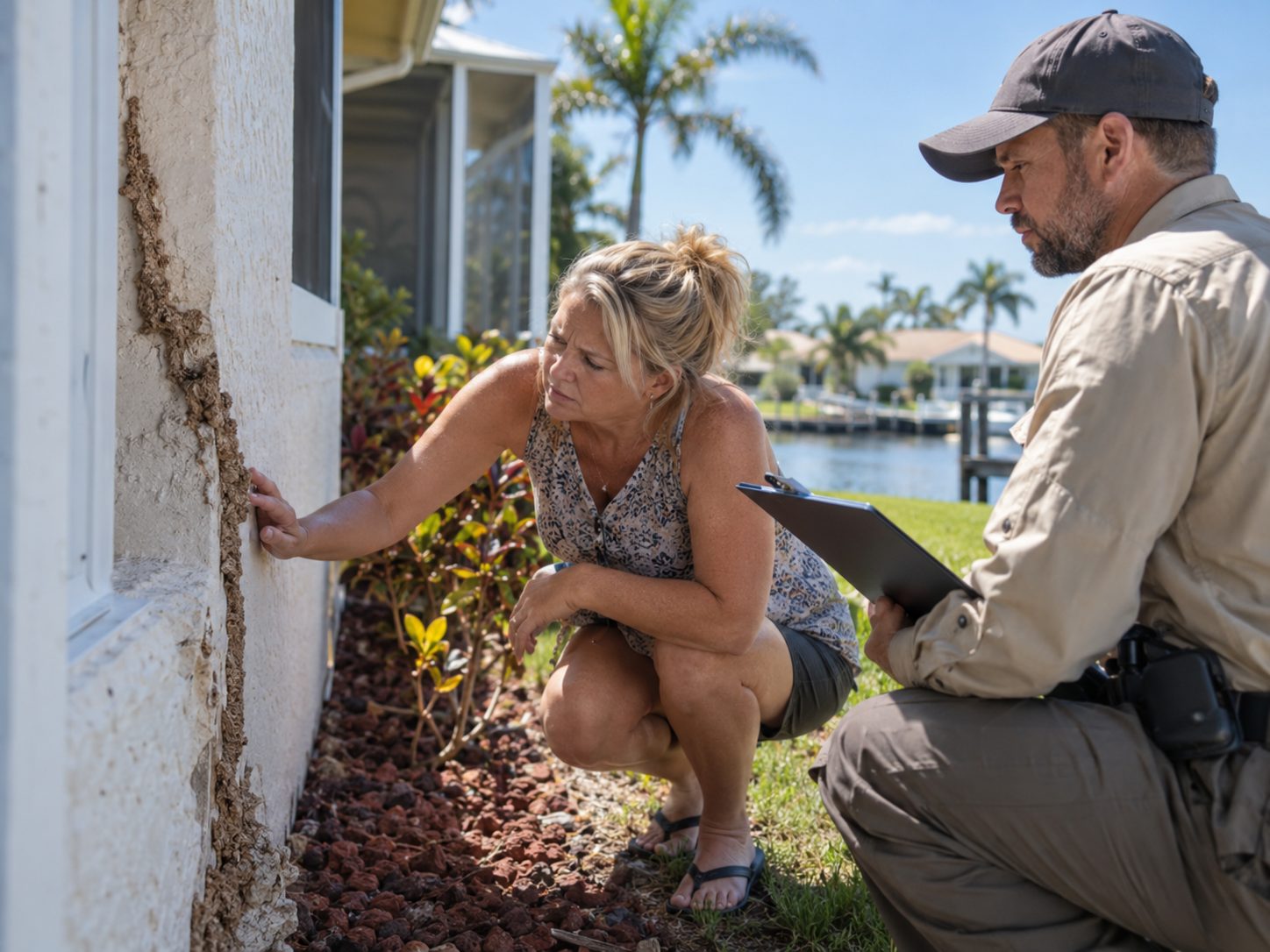
Mud tubes along a foundation and piles of shed wings near doors or windows are two signs to investigate. Mud tubes are associated with subterranean termites. A licensed inspector can identify the insect and assess whether there is active infestation.
How many years does a termite treatment last?
There is no single timeline for all treatments. The method, site conditions, and maintenance affect how long protection lasts. Bait systems rely on monitoring and service. Ask the provider for the recommended inspection schedule and the terms of any coverage.
Is Termite Treatment Expensive in Cape Coral?
Cost depends on the termite species, the size and construction of the property, the extent of activity, and the treatment method. Request a written estimate after inspection and ask whether monitoring, follow-up visits, and renewals are included.
❧